
10 Timeless Styles You Didnt Know Started as Uniforms
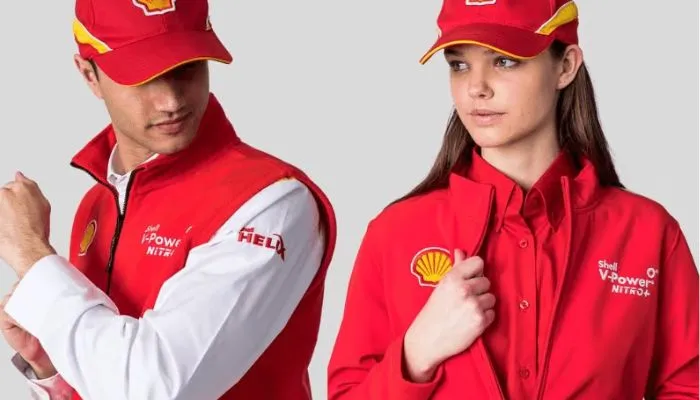
Jobs and institutions have always needed people to look the same—drivers, nurses, soldiers, servers, cops. Designers make those clothes for function first, style second. But the little details that make a uniform useful (clean lines, sturdy fabric, easy-to-spot colors) often end up in regular wardrobes. Over time, those pieces carry a quiet authority even after the original job disappears.
The article walks through twenty styles that started as uniforms—McDonald’s outfits, chinos, Delta Airlines uniforms, peacoats, police gear, parkas, FedEx uniforms, combat boots, T‑shirts, henleys, polos, and butler/estate-manager dress—and shows how each slid into everyday fashion because it’s practical and oddly recognizable.
10 Fashion Styles That Started as Uniforms
1. Work Clothes

While the need for services like drivers, servers, nurses, and law enforcement hasn’t really changed over the years, the way those services look has kind of changed dramatically too. Like, when a job, a school, or the military needs people dressed pretty much the same way, designers create the clothing to function first, and look good second. Later, those same little details find their way into regular street fashion too, because they’re practical and oddly recognizable.
And yeah, they bring this type of authority along with them. Even after the original situation disappears, the shape, the silhouette, and the message still stick around. Here are 20 styles that started as uniforms, and then somehow became everyday fashion.
You may also read :- Kylie Jenners Coachella 2026 Outfit Stuns Fans: Viral Look
2. McDonald’s
At the beginning of the chain that started up in the 1950s, employees wore crisp white pants, plain white short-sleeved collared shirts, and a white paper cap. Over the years, the McDonald’s uniform has changed quite a few times. Lately, the outfit has been updated to plain grey pants, t-shirts, aprons, and hats, with small yellow accents too.
3. Chinos
Chinos trace back to military trousers that designers made to be light, comfortable, and kind of easier to stride in than heavier wool uniforms, you know. The clean cut and neutral color made them practical, and also pretty easy to standardize. Those same little qualities later turned into a real closet staple, so they ended up staying around.
4. Delta Airlines
Delta’s first uniforms featured these pretty straightforward beige jackets, black pencil skirts, and pillbox hats, basically like almost every other commercial airline back then. Over the years Delta updated its uniforms countless times, honestly. Now Delta employees wear a mix of purple and red dresses and suits, designed by Zac Posen, so they stand out more among the plainer uniforms other carriers use. The Peacoat:
Peacoats represent those sorts of naval coats, made for the cold, the wind and the salty air. The heavy wool, plus the double-breasted front, helps push back the weather and keep warmth locked in a bit longer. Fashion basically keeps the same silhouette because it looks sharp and it still makes sense in everyday life.
5. Police
Early law enforcement officers around the country wore kind of formal navy uniforms, which the surplus Union Army left over after the Civil War or so, anyway. Over the years, police uniforms have drastically changed though. Nowadays, police departments in a lot of places lean toward all-black uniforms, which come with belt holsters, combat-style boots, police caps, and small body cameras pinned onto shirts.
6. The Parka

Designers created parkas for extreme cold, kind of like for survival mode you know, and military crews and workers used them to deal with harsh climates. They had that long length and extra insulation, plus real fur or faux-fur trim, and people prioritized staying alive more than looking good. Over time, the whole look went mainstream, mostly once people realized it also works pretty well for those winter commutes, even if you are just heading to work or back.
7. FedEx
When FedEx was still Federal Express, the employees wore navy uniforms designed by Stan Herman. Stan Herman designed the jackets, which featured the Federal Express logo embroidered on them and small striping on each sleeve, so they looked kind of sharp. Today though the FedEx uniform is plainer, consisting of black pants or shorts and black plus purple polo shirts with the FedEx logo on the chest, nothing fancy. Combat Boots:
Combat boots offer some kind of protection traction, and they really need to last in rough conditions. You know thick soles, sturdy leather, and solid ankle support remained pretty much non-negotiable from the start. Later on, they sort of turned into a style staple too, because they say toughness in a direct way, and they hold up well, like every day wear.
8. The T-Shirt
The T-shirt kind of started out as a kind of undergarment in the military, they supposed it to be lightweight and really easy to wash, or so they told everyone. Then it slid into civilian life as a practical basic, after that it sort of turned into a medium for identity via prints and branding. In other words what first was uniform underwear became the go to shirt.
9. The Henley
Henleys started sort of out of workwear plus athletic uniforms, more like valued for comfort and temperature regulation. The button placket helped with letting off heat without needing a collar, or not having that whole neckline thing. Later it became a casual staple, because it kind of lives in the middle between a tee and a sweater, you know.
10. Butler
The polo shirt originated from sports uniforms that required breathable fabric and a collar that stayed put and didn’t slip. It ended up being worn off the field because it gives this tidy vibe without feeling formal at all. That little balance of looking neat but not too official made it a long-term staple; in the end, it just stuck around. Throughout the 1900s, employers often required butlers to wear proper suits along with proper little details like ties, bow ties, gloves, and hats, just so they’re visually separated from the junior staff.
Now though, a lot of places call them estate managers and they tend to wear far more casual getups, like polo shirts and slacks or similar things. Employers usually only expect proper full suits these days during special occasions and events, when everyone needs to dress up.
Conclusion
Uniforms were never meant to be fashionable. They were built to protect, identify, and get work done. But once you wear something that’s tough, comfortable, and clearly signals a role, it sticks in your head. Designers grabbed those same shapes and materials, and the public followed. Today, chinos, peacoats, T‑shirts, parkas, and combat boots sit in almost everyone’s closet—not because they’re on a job, but because they work. Practicality became style, and the authority of the uniform quietly lives in the street.
FAQ
Q: Why do uniforms make people feel authoritative?
A: Uniforms signal role and reliability. The silhouette, color, and small details (belts, caps, logos) say “this person has a job.” When you wear that shape, it carries a little of that confidence.
Q: Is it okay to copy exact uniform looks (like police or military)?
A: Be careful. Wearing gear that looks like an active-duty uniform can be confusing or even offensive. It’s better to use the style (the cut, the fabric) without copying insignia or exact official details.
Q: How have brands updated uniforms for modern fashion?
A: Designers keep the functional core but change fit, color, and materials. Delta’s new uniforms by Zac Posen use purple and red to stand out. McDonald’s moved from white pants and paper caps to grey pants, tees, and aprons. FedEx simplified to black/purple polos. The goal is the same: look sharp, work well, and be recognizable.